Thermal Imaging Surveys
Clear insights provided
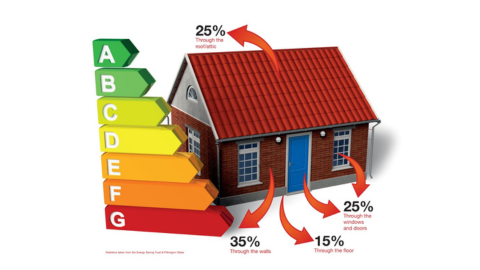
Our use of thermal imaging technology enables us to detect hidden defects such as heat loss, moisture ingress, and areas of deterioration that are not always visible during a standard visual inspection. This specialised equipment enhances the accuracy of our assessments and helps identify potential problems that might otherwise go unnoticed.
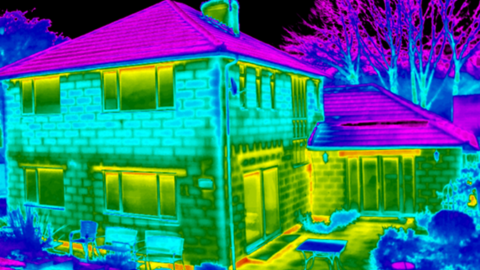
Thermal imaging cameras are a non-invasive diagnostic tool used during property inspections to help identify variations in surface temperature across building elements. The camera converts infrared radiation into a visual image, allowing areas of heat loss, cold bridging and abnormal temperature patterns to be identified without opening up the structure.
In residential properties, thermal imaging is commonly used to highlight insulation defects within walls, roofs and floors. Colder areas may indicate missing, displaced or poorly installed insulation, while warmer areas can point to uncontrolled heat escape. This is particularly useful in cavity wall construction, loft spaces and around junctions such as window reveals and eaves where thermal bridging often occurs.
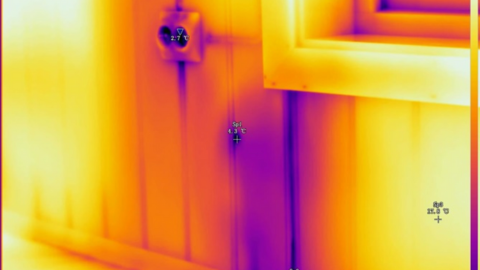
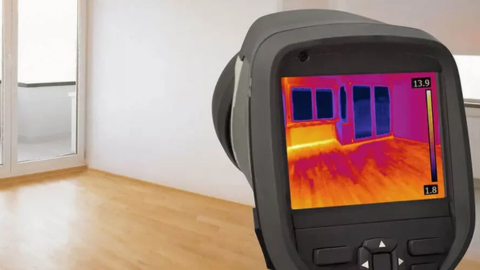
Thermal cameras can also assist in the identification of moisture-related issues. Damp materials tend to retain and conduct heat differently from dry materials, meaning affected areas may appear cooler on the thermal image. While this does not confirm the presence of damp on its own, it provides valuable supporting evidence when considered alongside moisture meter readings, visual inspection and building context.
The technology is useful in tracing concealed services and defects, such as leaking pipework, underfloor heating layouts and areas of air leakage around poorly sealed doors, windows and service penetrations. These defects may not be visible to the naked eye but can contribute to energy inefficiency, condensation risk and long-term fabric deterioration.
It is important to note that thermal imaging does not provide definitive diagnoses in isolation. Readings can be influenced by weather conditions, occupancy, heating patterns and time of day. As such, results should always be interpreted by an experienced surveyor and used as part of a wider inspection process rather than as standalone evidence.
When used appropriately, thermal imaging enhances the depth of a building survey by improving defect detection, reducing the need for intrusive investigation and helping purchasers better understand the performance and condition of a property.